

For those walking around Temple’s campus, it is a common sight to see birds flying through the sky. They chirp on power lines and make nests in trees. For certain members of the Temple community, these feathery creatures mean something more.
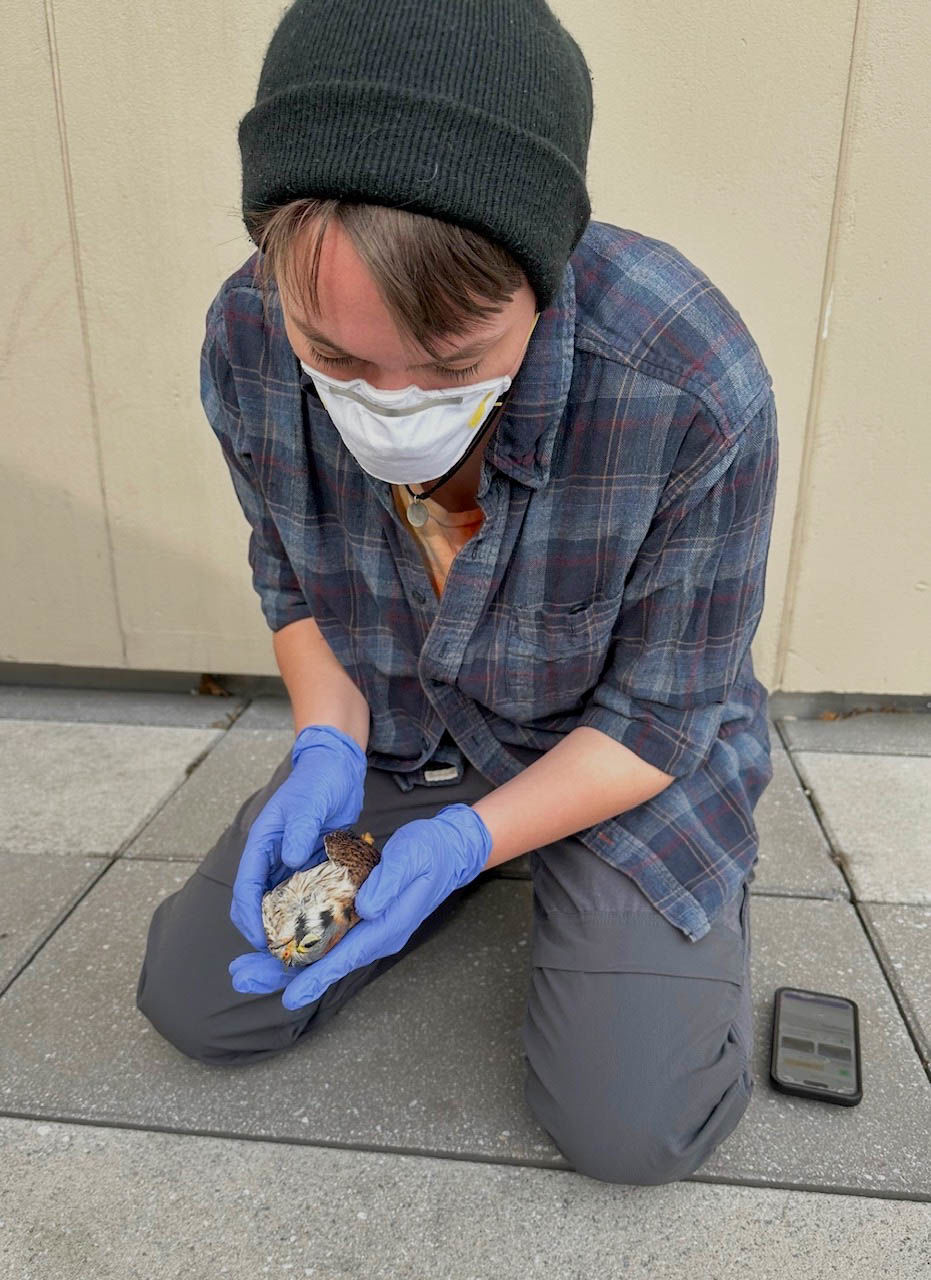
Professor Christy Davids and Director of Academic Administration Mandy Gibson consider themselves to be “birders,” or simply put, people who enjoy watching and observing birds. They are both involved in Avian Affairs at Temple, an organization meant for just that: rescuing and memorializing birds.
Birds and large buildings made of glass can generally be a deadly combination. Scattered across buildings like Morgan Hall and Tuttleman Learning Center are bodies of birds that collided with the siding. This sight is part of the reason why Gibson does what she does.
“We pour money into big, glass, aesthetically pleasing buildings, and there are consequences,” Gibson said. “We don’t have hundreds of thousands of dollars to put anti-collision dots everywhere. But we can document what’s happening. We can spread awareness.”
This problem goes beyond Temple. Avian Affairs at Temple is an offshoot of the Bird Safe Philly program in the city. During migration, predominantly in the fall and spring, thousands of birds die after hitting windows throughout Philadelphia. Davids wants the birds to leave a legacy.
“Our main goal is essentially to collect birds that are dead, so they can become science instead of becoming trash,” said Davids. “It’s a very strange dedication that’s hard to translate to others who aren’t just like you.”
As buildings on campus are renovated, Temple has become more aware of the issue. The new Paley Hall features specialized dots for the birds to be able to fly past the college safely. Wachman Hall, a previously problematic place for the birds, now features new windows with decals, and there have been fewer collisions. Gibson says this is a step in the right direction.
“My hope is that through education and advocacy, the architects and the university realizes the value in investing in this,” said Gibson. “I think that’s the hope of everyone is to make it so it stops happening.”
It may be a challenging experience to constantly deal with birds in fatal conditions; however, Davids recognizes that there is a silver lining.
“I feel very lucky to get to see these birds up close, which is crazy and amazing,” said Davids. “It’s also sad, but it’s an opportunity to learn a lot and think about how we can make changes for the future.”
While Avian Affairs at Temple is not an officially recognized organization, they still recognize the time ahead of them to make positive changes on campus. If you see a dead bird or a bird struggling, do not touch it. Instead, take photos of the bird and its location and send them to collisions@temple.edu.